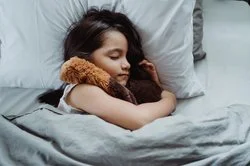
Sleep plays a critical role in a child’s growth and development. When sleep is disrupted, it can affect health, mood, and learning. The child sleep apnea quiz below helps parents recognize possible warning signs early and decide when medical advice is needed. Sleep apnea is not only an adult condition. Many children experience it without a clear diagnosis. Early awareness can prevent long-term complications.
What Is Sleep Apnea in Children?
Sleep apnea is a sleep disorder where breathing repeatedly stops and starts during sleep. These pauses reduce oxygen levels and disturb rest. Over time, this can affect a child’s physical and mental development. Children with untreated child sleep apnea quiz may struggle at school, feel tired during the day, and show behavioral changes.
Does Your Child Snore Loudly at Night?
Loud and regular snoring is one of the most common warning signs. Occasional snoring is normal. However, frequent loud snoring is not. If snoring includes gasping or choking sounds, it may signal airway blockage during sleep.
Does Your Child Have Pauses in Breathing During Sleep?
Breathing pauses are a key indicator in the child sleep apnea quiz. These pauses may last a few seconds and occur multiple times per night. Parents may notice sudden silence followed by snorting or deep breaths. This pattern disrupts healthy sleep cycles.
Does Your Child Struggle to Breathe While Sleeping?
Some children breathe through their mouths during sleep. Others may wheeze or appear restless. These signs suggest difficulty maintaining open airways at night. Labored breathing during sleep should never be ignored.
Does Your Child Wake Up Frequently at Night?
Child sleep apnea quiz often causes repeated awakenings. The brain wakes the body to restore normal breathing. If your child wakes up several times each night, sleep quality may be compromised. Poor sleep can lead to irritability and low energy.
Does Your Child Feel Tired During the Day?
Daytime sleepiness is another major sign. Children may appear lazy, unfocused, or unusually tired. Even with adequate bedtime hours, sleep apnea prevents deep, restorative sleep.
Does Your Child Have Trouble Focusing or Learning?
Sleep deprivation affects brain function. Children with sleep apnea may struggle with attention and memory. Teachers may report learning difficulties or declining academic performance. These issues are often misdiagnosed as behavioral disorders.
Are There Mood or Behavioral Changes?
Mood swings, irritability, and emotional outbursts are common. Poor sleep impacts emotional regulation. If behavior changes suddenly without clear reasons, sleep health should be evaluated.
Does Your Child Have Risk Factors for Sleep Apnea?
Certain factors increase risk. These include obesity, enlarged tonsils, and nasal blockages. Medical conditions like Down syndrome also raise the likelihood. If risk factors exist, monitoring symptoms is essential.
How to Score the Child Sleep Apnea Quiz
Answer yes or no to each question.
-
Give 1 point for every “yes”
-
A score of 3 or more suggests increased risk
A higher score means a professional evaluation is recommended.
What to Do After the Quiz
The child sleep apnea quiz is not a diagnostic tool. It only highlights potential concerns. If your child scores high or shows symptoms, consult a healthcare provider. A sleep study may be required for confirmation.
Treatment Options for Childhood Sleep Apnea
Treatment depends on the cause and severity. Some children benefit from lifestyle changes like weight management. Others may need medical support such as CPAP therapy. In some cases, surgery to remove tonsils or adenoids is recommended. Early treatment improves sleep quality and overall well-being.
Final Thoughts on Child Sleep Health
Ignoring sleep problems can affect long-term health. The child sleep apnea quiz helps parents take the first step toward awareness. With early diagnosis and proper care, children can enjoy restful sleep and improved daily performance. If you suspect sleep apnea, act early. Healthy sleep leads to a healthier future.